Intellimag WMS: The Complete Guide to Cloud and On-Premises Solutions
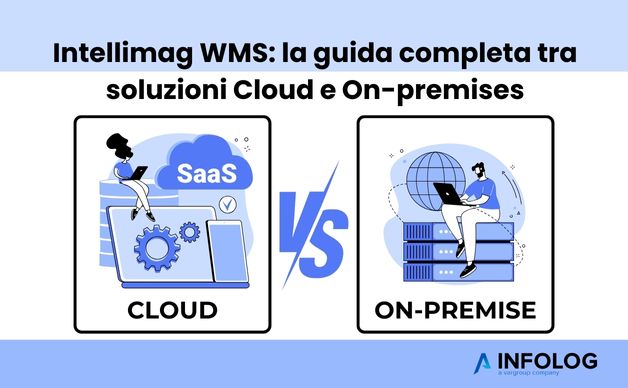
Analyzing the Benefits to Optimize Your Warehouse Management
In today’s era of warehouse process digitalization, choosing the right solution can radically transform the operational efficiency of your logistics. With Intellimag, you have access to a Warehouse Management System (WMS) that adapts to the unique needs of your company. However, the crucial decision remains: should you opt for a cloud-based implementation or an on-premises one?
This guide explores both sides of the dilemma, providing insights to support your decision-making process. You’ll discover how Intellimag can be customized and optimized to fit your operational environment—whether you prefer the agility and flexibility of the cloud or the full control of on-premises systems.
Starting with the Basics: What Exactly Are On-Premises and Cloud?
A cloud-based WMS, delivered as Software as a Service (SaaS), is hosted on third-party servers (in Intellimag’s case, Var Group data centers) and accessible via the Internet. This model is gaining popularity thanks to its flexibility and lower upfront costs. On the other hand, an on-premises WMS is installed on company servers, offering greater control over operations and data flow. This option is traditionally preferred by companies with specific security and customization requirements.
Cloud vs. On-Premises
Cloud - Strengths:
- Scalability: A cloud WMS allows easy scalability, quickly adapting to volume changes and seasonal needs without significant hardware investments.
- Lower Initial Costs: No need to purchase dedicated hardware, enabling companies to save on upfront costs—making cloud an attractive option for small and medium-sized businesses.
- Automatic Updates: Cloud service providers handle software updates, ensuring the system is always up-to-date without extra effort from the company.
Cloud - Considerations:
- Security: Storing data on third-party servers may conflict with company security policies. However, reliable providers implement strict security measures to protect data. Internet Connectivity
- Dependency: Accessing WMS via the Internet means any connection disruptions can impact warehouse operations—a critical factor for companies highly dependent on the system, potentially affecting service levels perceived by customers.
On-Premises – Strengths:
- Full Control: Companies have complete control over their WMS, allowing detailed customizations and integrations with other business systems.
- Data Security: With data stored on their own servers, companies can implement dedicated security measures, ensuring sensitive data protection aligned with internal policies.
- Independence from Internet Connectivity: An on-premises WMS does not rely on Internet connectivity to function, reducing the risk of operational disruptions caused by network issues.
On-Premises - Considerations:
- High Initial Costs: Purchasing dedicated hardware can represent a significant investment, making this option less accessible for companies with limited budgets.
- Limited Scalability: Scaling an on-premises WMS can be complex and may require new hardware purchases and infrastructure upgrades.
- Maintenance and Updates: Responsibility for hardware maintenance falls on the company, requiring technical expertise and dedicated resources.
Key Parameters for Choosing
When deciding between a cloud-based and an on-premises WMS, it’s essential to consider several key factors:
- Cost: Evaluate both initial and recurring costs, including hardware, software, maintenance, and support.
- Scalability: Analyze how easily and quickly each option can scale to meet future business needs.
- Security: Consider the security measures offered by each solution and how they align with company requirements.
- Control: Determine the level of control needed over the system and how important customization is.
- Internet Connectivity: Assess the company’s dependency on Internet connectivity and the impact of potential outages.
In Conclusion
The choice between a cloud-based and an on-premises WMS depends on your company’s specific needs and priorities. If flexibility, lower initial costs, and easy updates are crucial, then a cloud WMS may be the ideal solution. Conversely, if full control, data security, and independence from Internet connectivity are priorities, an on-premises WMS might be more suitable. By carefully weighing the pros and cons of each option and comparing them to your business requirements, you can make an informed decision that best supports your operations and growth.
If you have questions about Intellimag WMS cloud or on-premises options, don’t hesitate to contact us: an Infolog expert will provide a detailed budget overview and advise you on the best solution.